 Editorial artwork
Learning measurement & evaluation
What carries into the work?
The strategy I created and the 90-day follow-up study I conducted to examine workplace application.
Strategy, workplace research & reconstructed examples
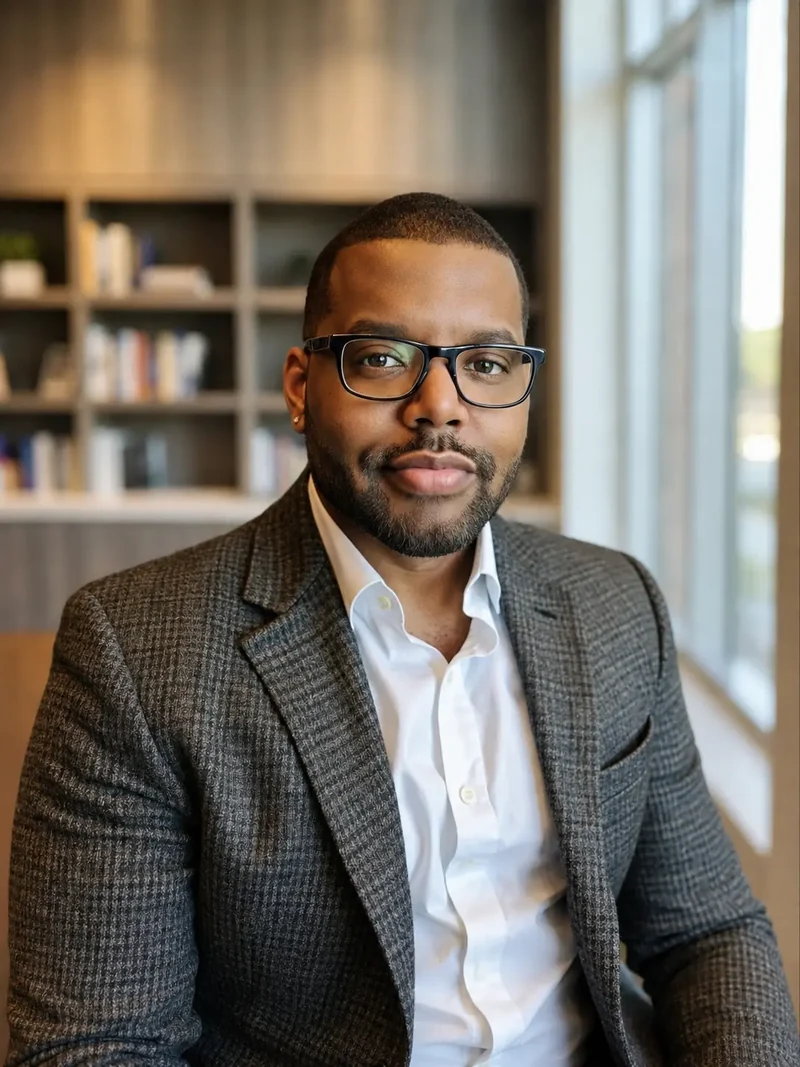
Dennis Griffin, Ed.D. / Learning strategy, talent development & measurement
Open to learning leadership and research roles
I connect learning to the work people do, then measure what changes. I lead learning strategy and talent development with research and measurement.
Leadership in practice
Rebuilt evaluation for more than 100 courses. The Nationwide Learning Leaders Council adopted the standard across the enterprise.
Read the accountBrought stakeholder feedback in earlier and introduced rubrics and a tiered build menu. Development time dropped from six to eight weeks to about three.
Read the accountLed a team of about 10 that fixed roughly 100 broken courses in about two weeks during the LMS migration.
Read the accountThe art of evidence
From the task someone needs to do to a decision the evidence can support.
Name what someone should do differently.
Look for that behavior in real work.
Ask what helped or got in the way.
Choose a response the evidence can support.
A conceptual view of the approach. Explore the workplace study
An exploration / The Art of Evidence
The interesting part is what people can do with it. Follow the question from the learning experience into the work.
The strands are a visual metaphor for the paths between learning and practice. These sculptures were created with generative tools and do not depict study findings. The measurement begins with a question we can investigate.
What should someone be able to do differently?
I begin with the work itself. A clear task gives the team something useful to design for and a behavior we can look for afterward.
A worked example
In this example, a team member uses a job aid to complete a handoff accurately.
An illustrative handoff, used to show the measurement approach.
01 / Selected work
A closer look at the questions I’ve investigated, the decisions I’ve shaped, and my contribution to the work.
View the portfolioEditorial artworkLearning measurement & evaluation
The strategy I created and the 90-day follow-up study I conducted to examine workplace application.
 Editorial artwork
UX research & human behavior
How I led two phases of interviews, interpreted the findings, and helped a team consider distracted driving features.
A leadership perspective
“What truly sets him apart is his ability to inspire, motivate, and bring out the best in those around him.”
02 / The practice
I start with the task people need to perform. I check whether they need practice, clearer expectations, or better tools before deciding what to build.
I use interviews and task analysis to identify what supports performance and where people need help.
I help teams design around real tasks, with practice, feedback, and clear expectations.
I connect observable workplace behavior to the questions leaders need to answer and the decisions they need to make.
03 / From the reading room
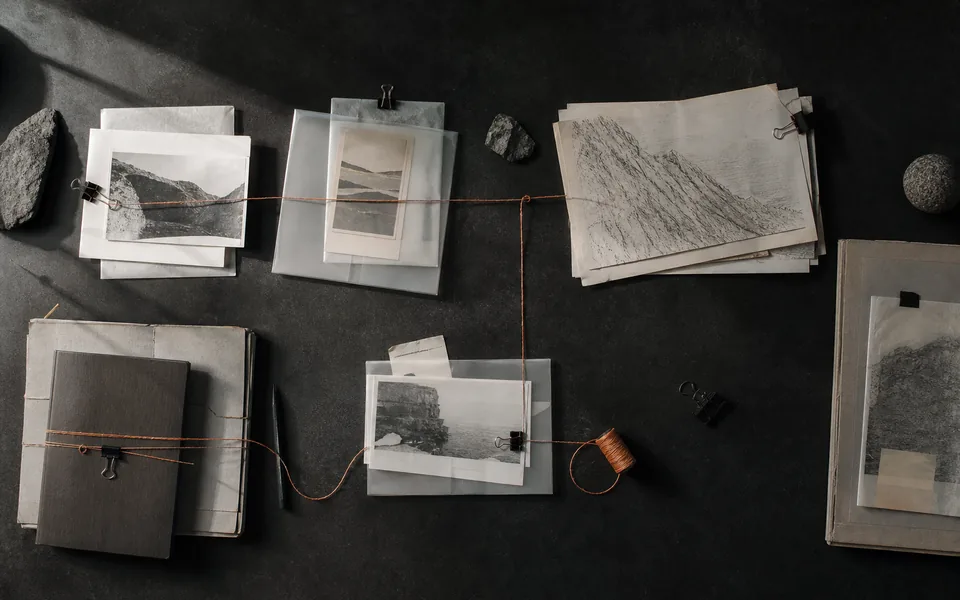
Clear responsibilities and a usable evidence record help a research team focus its effort where it can inform a decision.
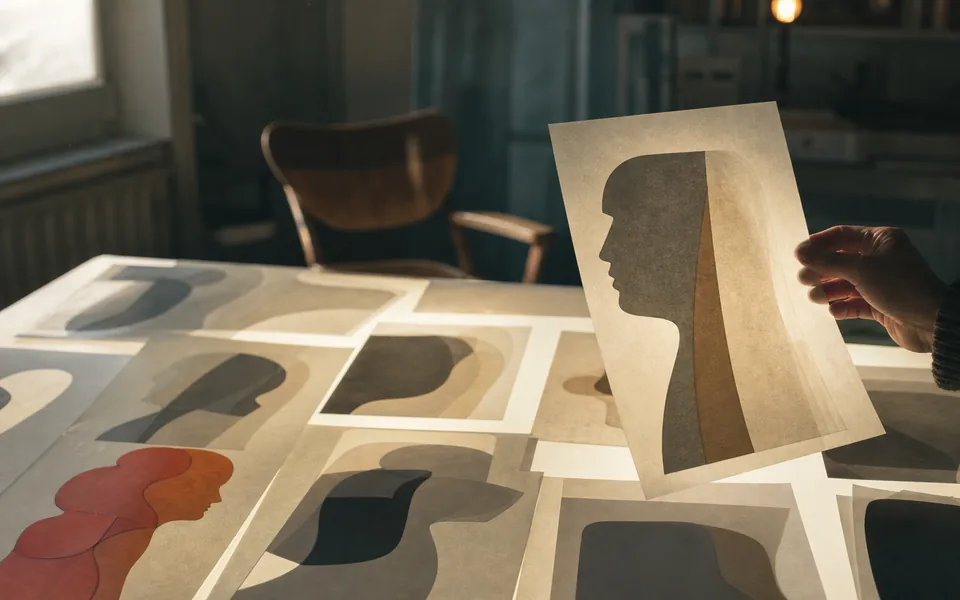
Simulated responses can help a team prepare research questions. Claims about real people still need observed evidence.

Give AI specific tasks, keep the source material close, and make the researcher’s interpretation easy to review.
04 / Ideas Lab
I use small tools and examples to work through questions about learning and research. This is where I share ideas that are still taking shape, including careful ways to use AI.
Step into the labInteractive tool
Investigate the performance need before deciding what to build.
Working idea
Examine where simulated responses still need real participants.
Learning concept
Keep learning useful as tools, tasks, and expectations change.
A conversation about what comes next
I’d welcome a conversation about the role, the team, and what you need to accomplish. I’m open to learning leadership and research roles in Columbus, Ohio, and to remote work.
Email Dennis